


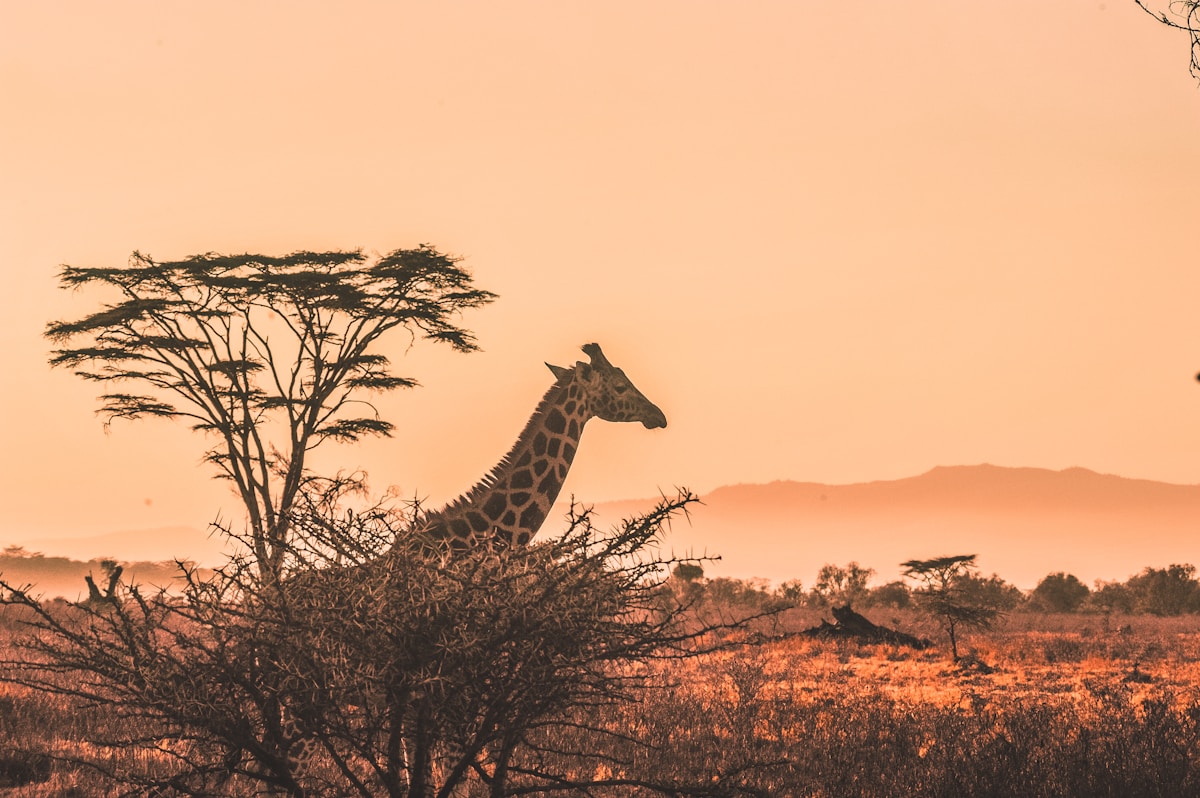
Quick Facts
- Nigeria is home to over 940 species of birds and 285 species of mammals
- Yankari Game Reserve is one of the largest game reserves in West Africa, covering an area of approximately 2,244 km²
- The Cross River National Park is a UNESCO World Heritage Site and one of the most biodiverse regions in Africa
- Afi Mountain Sanctuary is a habitat for the critically endangered Cross River gorilla, with only about 300 individuals remaining in the wild
- The average cost of a guided wildlife tour in Nigeria is around ₦50,000 (approximately $130 USD) per person
- Nigeria's wildlife reserves receive over 10,000 visitors annually, with a growth rate of 15% per year
- The Nigerian government has established the Nigerian Conservation Foundation (NCF) to protect and conserve the country's natural resources
What is Wildlife Tourism in Nigeria?
Wildlife tourism in Nigeria refers to the practice of observing and interacting with wild animals in their natural habitats, while promoting the conservation of these species and their environments. This type of tourism provides an opportunity for visitors to experience the rich biodiversity of Nigeria, while also supporting local communities and conservation efforts. Wildlife tourism in Nigeria is a growing industry, with a projected annual growth rate of 15% over the next five years.
Top Wildlife Destinations
Yankari Game Reserve (Bauchi)
Located in the heart of Bauchi State, Yankari Game Reserve is one of the most popular wildlife destinations in Nigeria. Covering an area of approximately 2,244 km², it is one of the largest game reserves in West Africa. The reserve is home to over 50 mammal species, including elephants, lions, hippos, and buffaloes. Visitors can explore the reserve through guided game drives, which take place in the morning or evening when the animals are most active. The reserve also features a 15km hiking trail, which offers breathtaking views of the surrounding landscape.
"The trails here offer a unique opportunity to see some of Africa's most iconic species up close. From the majestic elephants to the playful hippos, Yankari is a wildlife enthusiast's paradise." - House of Explorers Adventure Curators
The reserve is also home to several natural springs, including the Wikki Warm Spring, which is a popular spot for relaxation and rejuvenation. Visitors can soak in the warm waters of the spring, surrounded by the sights and sounds of the African bush.
Cross River National Park
Located in the southeastern region of Nigeria, Cross River National Park is a UNESCO World Heritage Site and one of the most biodiverse regions in Africa. The park is home to a wide range of species, including the endangered drill monkey, as well as numerous rare bird species. Visitors can explore the park's dense rainforest through guided hikes, which offer breathtaking views of the surrounding landscape. The park also features a 30km canoe trail, which takes visitors through the heart of the rainforest.
The park is also home to several indigenous communities, including the Ekuri and the Boki people. Visitors can learn about the customs and traditions of these communities, while also supporting their conservation efforts.
Kainji Lake National Park
Located in Niger State, Kainji Lake National Park is a haven for water lovers. The park is home to a wide range of aquatic species, including crocodiles, antelopes, and numerous water birds. Visitors can explore the park through guided boat tours, which offer a unique perspective on the region's wildlife. The park also features a 20km fishing trail, which takes visitors to some of the best fishing spots in the region.
The park is also home to several scenic viewpoints, including the Kainji Dam, which offers breathtaking views of the surrounding landscape. Visitors can take a guided tour of the dam, while also learning about its history and significance.
Afi Mountain Sanctuary
Located in Cross River State, Afi Mountain Sanctuary is a habitat for the critically endangered Cross River gorilla, with only about 300 individuals remaining in the wild. The sanctuary is also home to chimpanzees and numerous rare species of plants and animals. Visitors can explore the sanctuary through guided hikes, which offer breathtaking views of the surrounding landscape. The sanctuary also features a 10km mountain biking trail, which takes visitors through the heart of the mountain.
The sanctuary is also home to several indigenous communities, including the Baka and the Mbembe people. Visitors can learn about the customs and traditions of these communities, while also supporting their conservation efforts.
Chad Basin National Park
Located in Borno State, Chad Basin National Park is a haven for birdwatchers. The park is home to over 300 species of birds, including the critically endangered Chad Basin crane. Visitors can explore the park through guided bird watching tours, which offer a unique opportunity to see some of Africa's most iconic bird species.
The park is also home to several scenic viewpoints, including the Lake Chad shoreline, which offers breathtaking views of the surrounding landscape. Visitors can take a guided tour of the lake, while also learning about its history and significance.
Tour Types
Day Safari
For those with limited time, a day safari is an excellent option. These guided tours typically take place in the morning or evening when the animals are most active. Visitors can explore the wildlife reserves and national parks through guided game drives, which offer a unique opportunity to see some of Africa's most iconic species up close. The average cost of a day safari is around ₦20,000 (approximately $50 USD) per person.
Multi-Day Safari
For those who want to fully immerse themselves in the wilderness, a multi-day safari is an excellent option. These guided tours typically involve camping in the wilderness, allowing visitors to experience the sights and sounds of the African bush up close. Multi-day safaris offer a unique opportunity to see a wide range of species, including those that are active at night. The average cost of a multi-day safari is around ₦100,000 (approximately $250 USD) per person.
Bird Watching
Nigeria is a birdwatcher's paradise, with over 940 species of birds recorded in the country. Guided bird watching tours offer a unique opportunity to see some of Africa's most iconic bird species, including the critically endangered Cross River eagle. Visitors can explore the country's national parks and wildlife reserves through guided hikes, which offer breathtaking views of the surrounding landscape. The average cost of a bird watching tour is around ₦30,000 (approximately $75 USD) per person.
Photography Safari
For those who want to capture the beauty of Nigeria's wildlife, a photography safari is an excellent option. These guided tours typically involve exploring the wildlife reserves and national parks through guided game drives, which offer a unique opportunity to see some of Africa's most iconic species up close. The average cost of a photography safari is around ₦50,000 (approximately $130 USD) per person.
Cultural Tour
For those who want to experience the rich cultural heritage of Nigeria, a cultural tour is an excellent option. These guided tours typically involve visiting indigenous communities, where visitors can learn about the customs and traditions of the local people. Visitors can also participate in traditional ceremonies and festivals, while also supporting local conservation efforts. The average cost of a cultural tour is around ₦40,000 (approximately $100 USD) per person.
Benefits of Wildlife Tourism in Nigeria
Wildlife tourism in Nigeria offers a wide range of benefits, including:
- Conservation Efforts: Wildlife tourism provides an opportunity for visitors to support conservation efforts in Nigeria. By visiting national parks and wildlife reserves, visitors are contributing to the protection of these areas and the species that inhabit them.
- Economic Benefits: Wildlife tourism provides a significant source of income for local communities, creating jobs and stimulating economic growth.
- Cultural Exchange: Wildlife tourism offers a unique opportunity for cultural exchange between visitors and local communities. Visitors can learn about the customs and traditions of local communities, while also sharing their own cultural experiences.
- Personal Growth: Wildlife tourism offers a unique opportunity for personal growth and development. Visitors can challenge themselves physically and emotionally, while also developing a deeper appreciation for the natural world.
Tips for Visiting Nigeria's Wildlife Reserves
- Plan Ahead: Plan your trip well in advance, taking into account the time of year and weather conditions.
- Choose a Reputable Tour Operator: Choose a reputable tour operator that is experienced in leading wildlife tours in Nigeria.
- Respect the Environment: Respect the environment and wildlife, keeping a safe distance from animals and not littering.
- Stay Safe: Stay safe by following the instructions of your guide and staying in well-lit areas at night.
- Be Prepared: Be prepared for the trip by packing comfortable clothing, sturdy shoes, sunscreen, insect repellent, and a camera to capture the stunning wildlife and landscapes.
Frequently Asked Questions
What is the best time to visit Nigeria's wildlife reserves?
The best time to visit Nigeria's wildlife reserves is during the dry season, from December to March, when the weather is dry and sunny.
How much does a guided wildlife tour in Nigeria cost?
The average cost of a guided wildlife tour in Nigeria is around ₦50,000 (approximately $130 USD) per person.
Are Nigeria's wildlife reserves safe for tourists?
Yes, Nigeria's wildlife reserves are generally safe for tourists, with most reserves having guides and security personnel on hand to ensure visitor safety.
What should I pack for a wildlife tour in Nigeria?
You should pack comfortable clothing, sturdy shoes, sunscreen, insect repellent, and a camera to capture the stunning wildlife and landscapes.
Can I go on a self-guided wildlife tour in Nigeria?
It is not recommended to go on a self-guided wildlife tour in Nigeria, as the country's wildlife reserves can be challenging to navigate and guides are necessary to ensure visitor safety and provide expert knowledge of the area.
Are there any age restrictions for wildlife tours in Nigeria?
Yes, most wildlife tours in Nigeria have an age restriction of 12 years old, although some tours may allow children as young as 8 years old to participate.
Can I bring my pet on a wildlife tour in Nigeria?
No, it is not recommended to bring your pet on a wildlife tour in Nigeria, as it may pose a risk to the wildlife and other visitors.
Are there any health requirements for wildlife tours in Nigeria?
Yes, visitors are required to have a yellow fever vaccination and take antimalarial medication before visiting Nigeria's wildlife reserves.
Can I cancel or reschedule my wildlife tour in Nigeria?
Yes, most tour operators in Nigeria allow visitors to cancel or reschedule their tour with at least 24 hours' notice, although some may charge a cancellation fee.
How do I book a wildlife tour in Nigeria?
You can book a wildlife tour in Nigeria through a reputable tour operator or travel agency. Be sure to research the operator and read reviews from previous clients before making a booking.
What is the duration of a typical wildlife tour in Nigeria?
The duration of a typical wildlife tour in Nigeria can vary from a few days to several weeks, depending on the type of tour and the location.
Can I customize my wildlife tour in Nigeria?
Yes, most tour operators in Nigeria allow visitors to customize their tour to suit their interests and preferences. Be sure to discuss your options with the operator before making a booking.
Are there any discounts available for wildlife tours in Nigeria?
Yes, some tour operators in Nigeria offer discounts for groups, students, or repeat customers. Be sure to ask about any available discounts when booking your tour.
How do I get to Nigeria's wildlife reserves?
You can get to Nigeria's wildlife reserves by flying into one of the country's major airports, such as Lagos or Abuja, and then taking a domestic flight or driving to the reserve. Be sure to research the best transportation options for your specific destination.
What is the best way to get around Nigeria's wildlife reserves?
The best way to get around Nigeria's wildlife reserves is by using a reputable tour operator or guide, who can provide transportation and expert knowledge of the area. Be sure to research the operator and read reviews from previous clients before making a booking.
Are there any accommodation options available in Nigeria's wildlife reserves?
Yes, there are several accommodation options available in Nigeria's wildlife reserves, ranging from luxury lodges to budget-friendly camping sites. Be sure to research the options and book in advance to ensure availability.
Can I bring my drone on a wildlife tour in Nigeria?
It is not recommended to bring your drone on a wildlife tour in Nigeria, as it may pose a risk to the wildlife and other visitors. Be sure to check with your tour operator before bringing any electronic equipment.
Are there any rules or regulations I need to follow on a wildlife tour in Nigeria?
Yes, there are several rules and regulations you need to follow on a wildlife tour in Nigeria, including staying on designated trails, not littering, and keeping a safe distance from wildlife. Be sure to follow the instructions of your guide and respect the environment and wildlife.

